
Paediatric Growth Plate Injuries
Growth plate injuries are common in children and adolescents and are frequently seen in paediatric fracture clinics. Because growth plates play an important role in bone development, injuries affecting them require careful assessment and appropriate follow-up. Many children recover well, particularly when injuries are identified early and managed appropriately.
This page provides general information to help parents understand growth plate injuries and what to expect during assessment and treatment.

What is a growth plate?
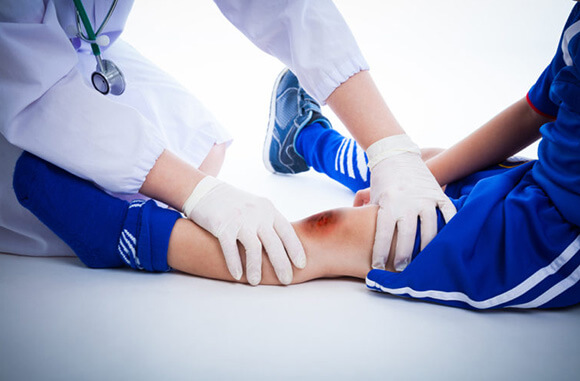
Growth plates (also called physes) are areas of developing cartilage located near the ends of long bones. They allow bones to grow in length as a child grows. Growth plates are softer than mature bone, which makes them more vulnerable to injury.
Growth plates remain open until skeletal maturity, usually during the teenage years.
Common sites include:
- Wrist
- Ankle
- Knee
- Shoulder
- Fingers
What is a growth plate injury?
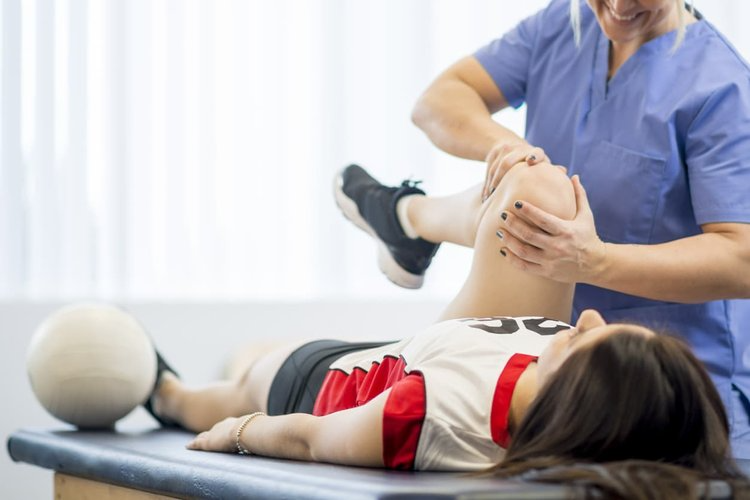
A growth plate injury is a type of fracture that affects this developing area of bone. These injuries can sometimes be mistaken for sprains, as swelling and pain may occur without obvious deformity. Medical assessment is important when symptoms persist or function is reduced.
Growth plate injuries are often described using the Salter–Harris classification, which helps guide management and follow-up:
-
Type I: Injury through the growth plate only
-
Type II: Injury through the growth plate and part of the bone shaft
-
Type III: Injury through the growth plate and into the joint surface
-
Type IV: Injury through the growth plate, bone shaft and joint surface
-
Type V: Compression or crushing injury to the growth plate (less common)
The classification helps inform treatment decisions but does not predict outcome on its own.
How do growth plate injuries occur?
Growth plate injuries commonly result from:
-
Falls during play or at school
-
Sporting injuries (e.g. football, netball, gymnastics)
-
Bicycle or scooter accidents
-
Motor vehicle accidents
-
Repetitive stress in some sporting activities
These injuries can occur even after relatively low-energy trauma.
Symptoms parents may notice
Children with a growth plate injury may present with:
-
Pain near a joint or end of a bone
-
Swelling or tenderness
-
Reduced movement or reluctance to use the limb
-
Limping or difficulty bearing weight
-
Visible deformity (in some cases)
If symptoms do not improve or your child avoids using the limb, medical review is recommended.
Assessment and diagnosis
Assessment typically includes:
-
A detailed history of the injury
-
Physical examination of the affected limb
-
X-rays of the injured area
In some cases, initial X-rays may appear normal despite an underlying growth plate injury. Additional imaging such as MRI or CT scans may be considered if:
-
Symptoms persist
-
The joint surface is involved
-
Growth plate injury is suspected but not clearly visible
Treatment options
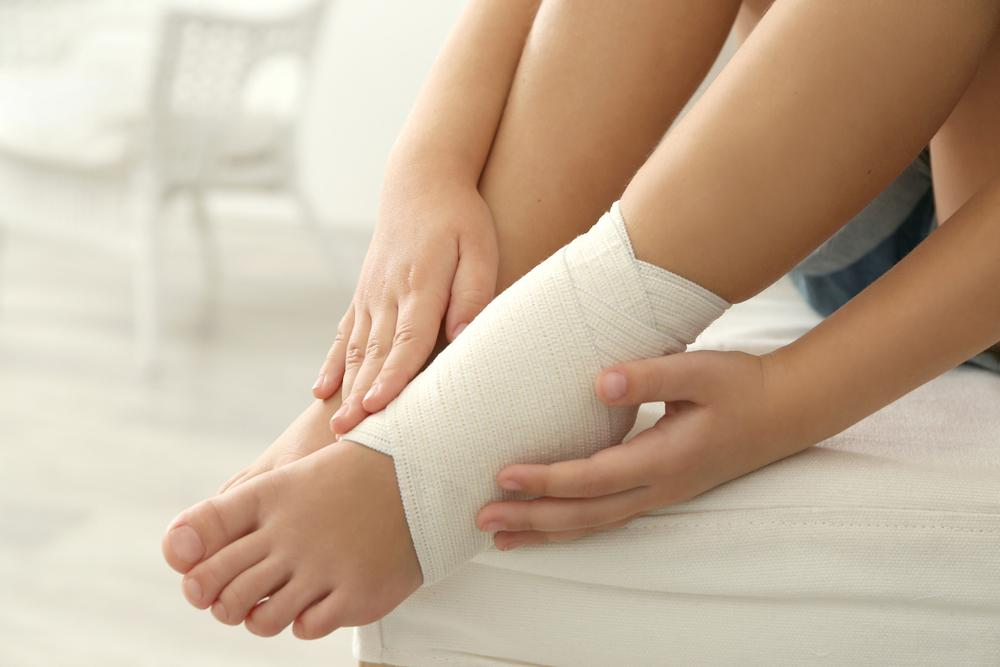
Treatment is tailored to the individual child and depends on:
-
The type and location of the injury
-
Alignment of the bones
-
The child’s age and remaining growth
Book an appointment
Call us
1300 525 666
Non-surgical management
Many growth plate injuries can be managed without surgery. This may include:
-
Immobilisation with a cast or splint
-
Temporary activity restriction
-
Pain management if required
-
Scheduled follow-up to monitor healing
When surgery may be recommended
Surgery may be considered in certain situations, such as:
-
Significant displacement of the fracture
-
Involvement of the joint surface
-
Inability to maintain alignment with casting alone
-
Concerns regarding future growth or joint function
Surgical decisions are made on a case-by-case basis, weighing potential risks and benefits. The aim is to support healing and reduce the risk of long-term complications, without guaranteeing a specific outcome.
Follow-up and growth monitoring
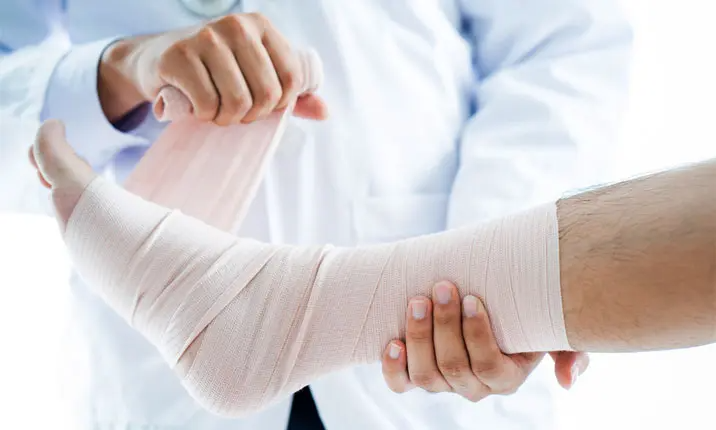
Because growth plates contribute to bone development, some injuries require ongoing monitoring. Follow-up may include:
-
Repeat X-rays during healing
-
Review during periods of growth
-
Monitoring limb length or alignment
Not all injuries require long-term follow-up, and this will be discussed with you based on your child’s injury.
FAQ
When should my child be reviewed urgently?
Seek medical assessment if your child has:
-
Severe or worsening pain
-
Increasing swelling
-
Visible deformity
-
Inability to use the limb or bear weight
-
Pain that does not improve over 24–48 hours
Will my child need surgery?
Not all growth plate injuries require surgery. Many are managed successfully with immobilisation alone. Surgery is considered only when clinically indicated.
When can my child return to sport?
Return to sport is usually gradual and based on healing, strength and movement. Clearance is guided by the treating clinician.
What about Medicare and private health insurance?
In Australia:
-
Medicare generally covers care provided in public hospitals and outpatient clinics
-
Private health insurance may cover private consultations, imaging or surgery, depending on the level of cover
-
Out-of-pocket costs vary, and families are encouraged to ask about fees and coverage
Can a growth plate injury affect my child’s growth?
Some growth plate injuries may affect bone growth, particularly more complex fractures. Many heal without long-term issues, but follow-up may be recommended to monitor development.
How long does recovery take?
Recovery time varies depending on the injury and the child’s age. Your treating clinician will provide guidance specific to your child.
Do we need a referral to attend a fracture clinic?
Children are often referred from an emergency department or GP. Referral requirements may vary depending on the clinic and healthcare setting.
What should we do next?
If your child has been referred to a fracture clinic:
-
Attend scheduled appointments
-
Follow advice regarding casts, splints and activity restrictions
-
Contact your treating team if symptoms worsen or concerns arise