
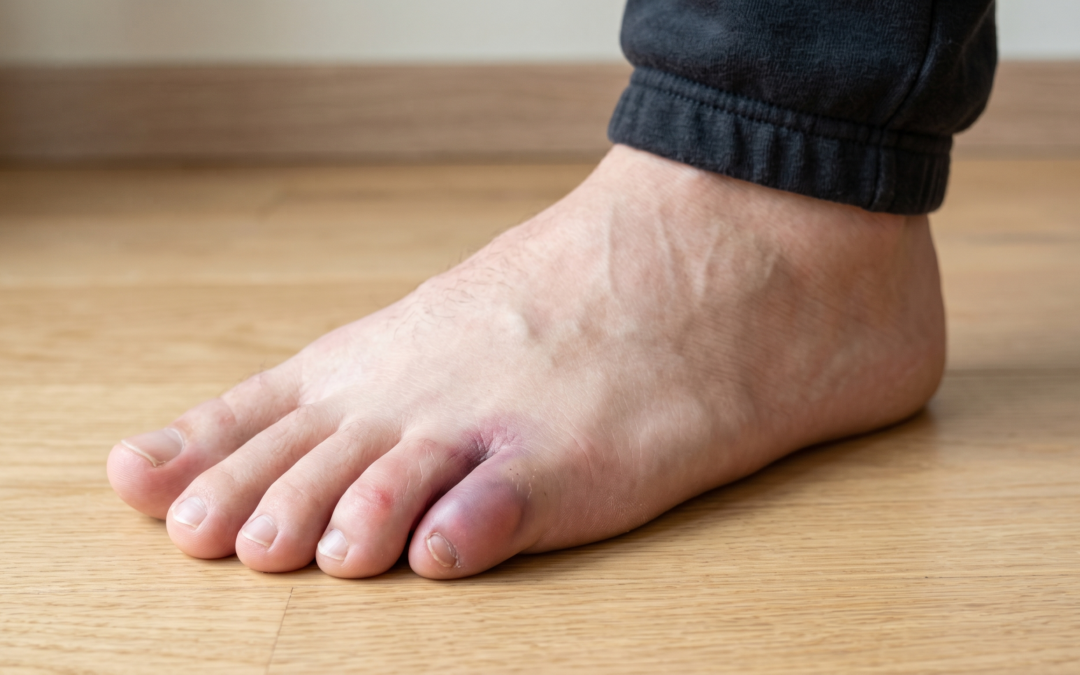
Broken toe vs sprained toe: signs, treatment, and when to seek urgent care (AU)
Toe injuries are common after stubbing a foot, dropping something heavy, or landing awkwardly during sport. Many people wonder whether they’ve simply “jammed” a toe or whether it might be fractured.
This guide explains typical symptoms, what initial treatment looks like, and when an assessment (often with an X‑ray) is recommended.
Important: This article is general information and not medical advice. If you have severe symptoms or are concerned, seek medical care.
Quick answer: when should you get a toe X‑ray?
Consider an X‑ray and clinical assessment if you have:
- Significant swelling or bruising within hours of injury
- Pain when bearing weight or an obvious limp
- A toe that looks crooked or rotated compared with the others
- Marked tenderness over the bone
- Open wounds near the injury (risk of open fracture)
- Numbness, tingling, or increasing coldness in the toe
- Symptoms that aren’t improving over 48–72 hours
While many toe injuries can be managed conservatively, displaced fractures or injuries involving the big toe often benefit from timely review.
Broken toe vs sprain: what’s the difference?
A sprain (soft‑tissue injury) typically involves:
- Pain around a joint
- Swelling that may be mild to moderate
- Pain that improves gradually over several days
A fracture may involve:
- More focal pain over the bone
- Bruising that spreads into the foot
- Pain with even small movements or gentle pressure
- Deformity (toe appears angled, shortened, or rotated)
You can’t reliably diagnose this at home, an assessment helps clarify the injury and best management.
Why the big toe matters
The big toe plays a major role in balance and push‑off during walking. Fractures of the big toe (especially near the joint) can cause ongoing problems if not managed appropriately. If the big toe is involved, it’s often worth being assessed sooner.
First aid for a suspected toe fracture
In the first 24–48 hours:
- Rest and avoid activities that worsen pain
- Ice for 10-15 minutes at a time, several times daily
- Elevate the foot when possible
- Wear a stiff‑soled shoe to reduce toe movement
- Consider buddy taping (taping the injured toe to the adjacent toe) only if the toe is straight and there’s no open wound, place a small padding layer between toes to protect the skin
If the toe is visibly deformed, do not attempt to straighten it yourself – seek urgent medical review.
What to expect at an orthopaedic urgent care clinic
At The Fracture Clinic, we commonly:
- Assess the injury
- Location of pain, toe alignment, skin condition
- Ability to bear weight and walk
- Circulation and nerve function
- Arrange imaging when indicated
- X‑ray to confirm fracture type and alignment
- Start appropriate management
- Advice on buddy taping, footwear, activity modification
- Splinting or other immobilisation if needed
- Follow‑up plan, especially for displaced fractures or big toe injuries
Red flags: when to go to the Emergency Department
- There is an open wound with bone exposure or heavy bleeding
- The toe is blue/pale/cold, or numbness is worsening
- There is severe deformity or uncontrolled pain
- You are unable to weight‑bear at all and cannot mobilise safely
FAQ
Can I walk on a broken toe?
Some people can, but walking can increase pain and swelling. A stiff‑soled shoe may help. If pain is significant, you’re limping, or the big toe is injured, assessment is recommended.
Do all toe fractures need a cast?
No. Many toe fractures heal with protective footwear and/or buddy taping. Management depends on which toe is injured, whether the fracture is displaced, and whether the joint surface is involved.
How long does a broken toe take to heal?
Many toe fractures improve over 3-6 weeks, but swelling and stiffness can persist longer. Big toe fractures may take longer and sometimes need closer follow‑up.
What if my toe looks crooked?
A crooked or rotated toe can indicate a displaced fracture that may need realignment and stabilisation. Seek timely medical care.
Should I keep buddy taping all day?
Follow clinician advice. Buddy taping is often used during weight‑bearing activities for comfort and stability, with regular skin checks to avoid irritation.
Call to action: book an appointment
If you’ve injured a toe and are unsure whether it’s sprained or fractured, a prompt assessment can help confirm the diagnosis and guide the safest recovery plan.
Book an appointment with The Fracture Clinic for evaluation and tailored management.