
General information only. This content is de‑identified and medically conservative. If you have severe pain, deformity, numbness, or an open wound, seek urgent care.
Jammed finger vs fracture: why it’s hard to tell
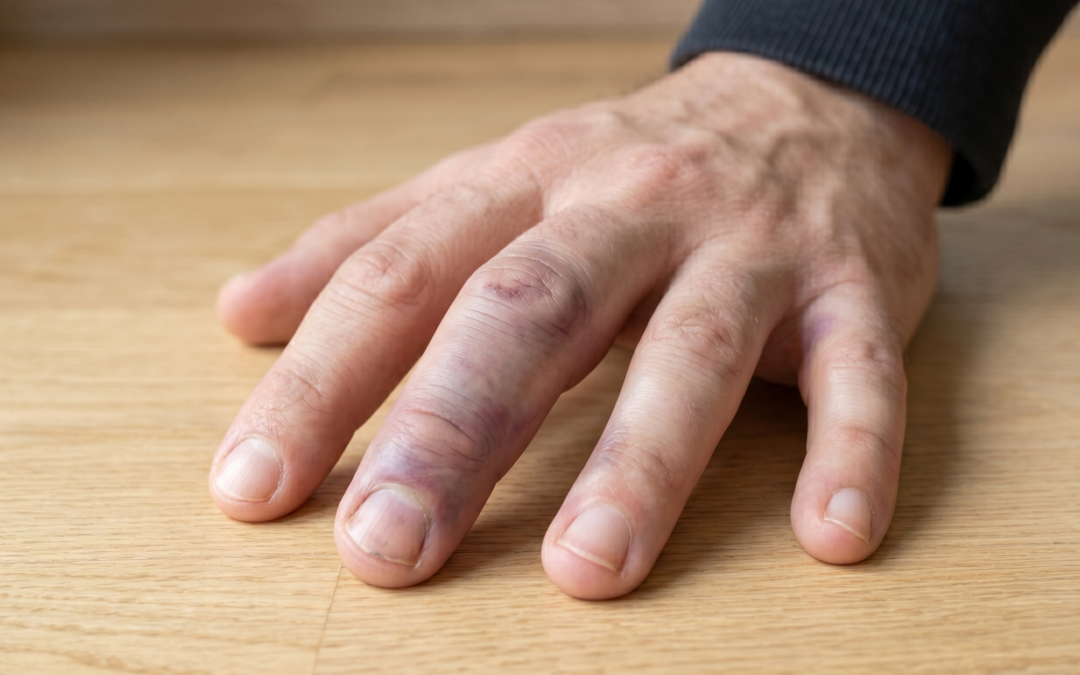
A “jammed finger” usually refers to a sprain (ligament injury), tendon injury, or a minor joint injury after the fingertip is forced backward/sideways—common in ball sports. But the same mechanism can also cause a fracture or a dislocation, especially at the PIP joint (middle knuckle) or DIP joint (near the fingertip).
Symptoms that can occur in both
- Pain and tenderness
- Swelling
- Bruising
- Stiffness and reduced movement
- Pain when gripping
Red flags that suggest a fracture or dislocation
Arrange prompt assessment (often with an X‑ray) if you notice any of the following:
- Deformity (finger looks crooked or a joint looks “out”)
- Inability to straighten the finger or new droop at the fingertip (possible tendon injury such as mallet finger)
- Marked swelling or rapidly increasing swelling
- Point tenderness on bone rather than diffuse soreness
- Numbness/tingling or the fingertip becoming pale/cold
- Open wound near the joint after impact
- Pain that remains significant after 48–72 hours of rest/support
Safe first aid for a jammed finger
- Remove rings early (swelling can make them hard to remove later)
- Rest the finger and avoid sport/gripping
- Ice for 10–15 minutes at a time (cloth barrier)
- Elevate the hand to reduce swelling
- Buddy tape to the adjacent finger for comfort if the finger looks straight
Do not forcefully pull or “pop” the joint back in if it looks dislocated. That can worsen fractures, tendon injuries, or nerve/vascular compromise.
When should you get an X‑ray for a finger injury?
Consider imaging if there is deformity, bony tenderness, significant swelling, limited movement, or if symptoms aren’t improving over the first few days. Children and teenagers should be assessed early, as growth‑plate injuries can be subtle.
What treatment might involve
Management depends on the diagnosis. Options can include buddy taping, a splint, hand therapy advice, or referral for specialist review for certain fractures/dislocations or tendon injuries. Early review matters because fingers can stiffen quickly if not managed appropriately.
Related reading (internal links)
FAQ
Can I buddy tape a finger if it might be broken?
If the finger looks straight and you can move it gently, buddy taping can provide support. But if there is deformity, severe pain, or numbness, get assessed first.
How long does a jammed finger take to settle?
Mild sprains may improve over 1–2 weeks, but swelling and stiffness can last longer. If pain and function aren’t clearly improving within a few days, consider medical review.
What is mallet finger?
Mallet finger is an injury where the fingertip droops and can’t actively straighten. It may involve the tendon (and sometimes a small fracture). It’s best assessed early because splinting technique and timing matter.
Yoast SEO title: Jammed Finger or Fracture? Signs, First Aid & When to Get Checked
Yoast meta description: Finger injury after sport? Learn signs of a jammed finger vs fracture/dislocation, safe first aid, when to get an X‑ray, and common next steps.
Suggested focus keyphrase: jammed finger vs fracture