
⚠️ Suspected fibula fracture? Get specialist assessment without the ED wait — no GP referral needed.
Book Online → 📞 1300 525 666📍 Gold Coast (Southport) · Springwood · South Brisbane
Fibula Fracture
What is a Fibula Fracture?
A fibula fracture is a break or crack in the fibula, the thinner bone located on the outer side of the lower leg. While the fibula does not bear as much weight as the tibia, it plays an important role in ankle stability and muscle attachment. Fibula fractures can occur on their own or alongside other injuries, particularly ankle or tibia fractures. The severity can range from small cracks to complete breaks.

Symptoms of a Fibula Fracture
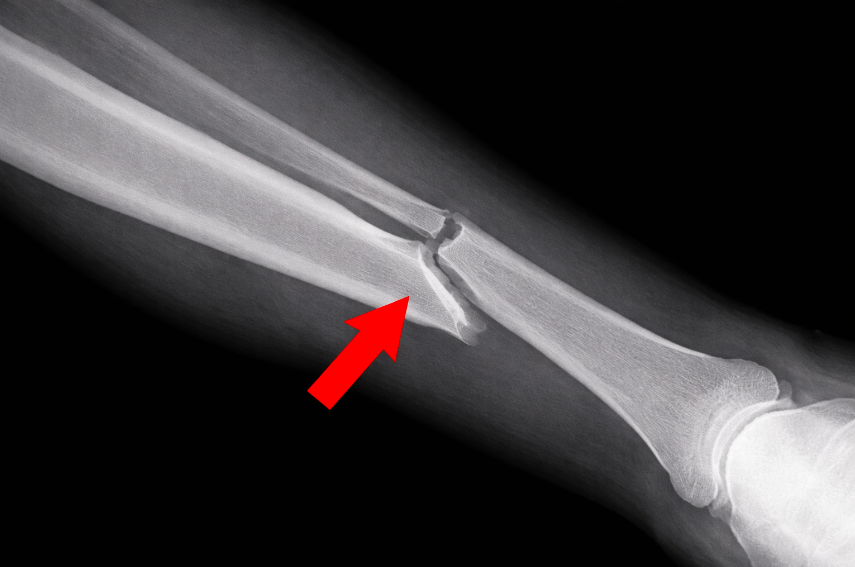
Symptoms of a fractured fibula may vary depending on the type and location of the fracture. Common signs may include:
- Pain on the outer side of the lower leg or ankle
- Swelling and tenderness
- Bruising or skin discoloration
- Difficulty walking or weight-bearing
- Localised pain around the ankle joint
- Instability in the ankle
- In more severe cases, visible deformity or an open wound
Types and Common Causes of Fibula Fractures
Fibula fractures can occur in different patterns, including:
-
Isolated fibula fractures
-
Ankle fractures involving the fibula
-
Stress fractures from repetitive loading
-
Closed fractures where the skin remains intact
-
Open fractures where the bone breaks through the skin
-
Displaced and non-displaced fractures
Common causes include:
-
Twisting injuries of the ankle
-
Sports-related injuries
-
Falls
-
Direct impact to the leg
-
Motor vehicle accidents
Book an appointment
Call us
1300 525 666
Risk Factors
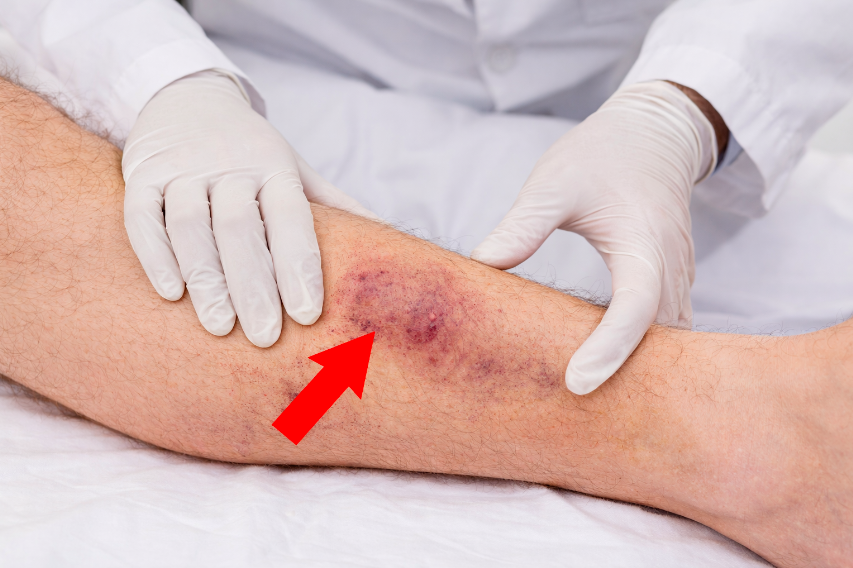
Factors that may increase the risk of fibula fractures include:
-
Participation in sports involving running, jumping, or sudden direction changes
-
Previous ankle or lower leg injuries
-
Repetitive stress on the lower limb
-
Reduced bone density
-
Increased risk of falls
How is a Fibula Fracture Diagnosed?
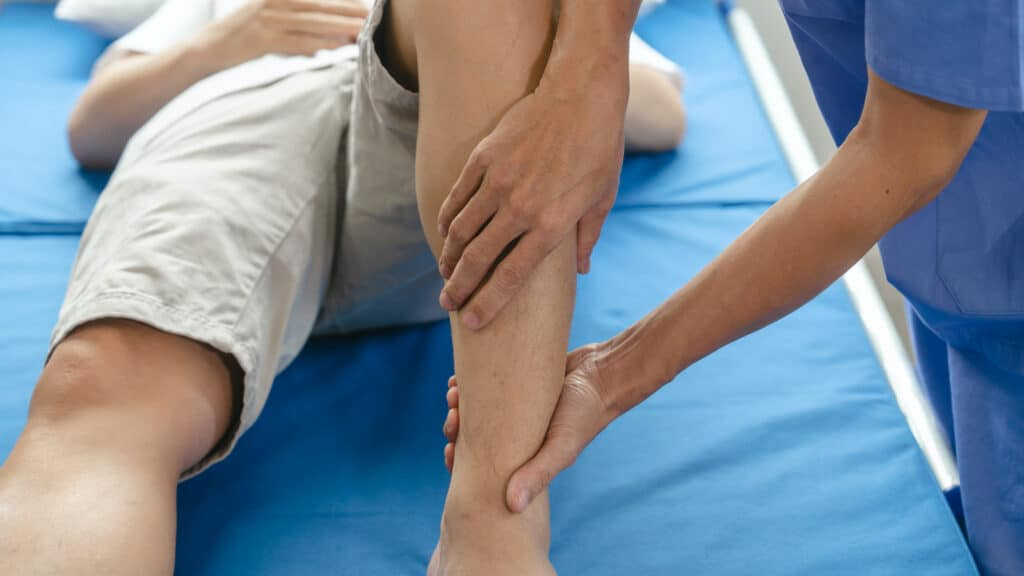
Diagnosis involves clinical assessment and imaging. A healthcare professional may:
-
Assess symptoms and mechanism of injury
-
Examine the lower leg and ankle
-
Check for stability of the ankle joint
-
Request X-rays to confirm the fracture
-
Use CT scans or MRI if further detail is required
Accurate diagnosis is important, particularly where the ankle joint is involved.
Treatment Options for Fibula Fractures
Treatment depends on the type of fracture and whether the ankle joint is affected.
Non-surgical management may include:
-
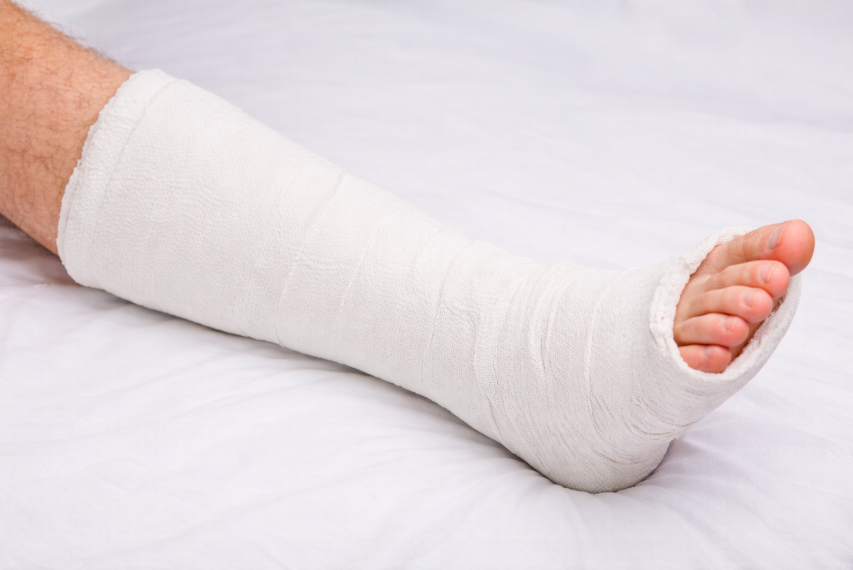
Immobilisation with a boot, brace, or cast
-
Rest and activity modification
-
Gradual return to weight-bearing as advised
-
Pain management strategies
Surgical management may be considered in some cases:
-
Fixation with plates and screws
-
Stabilisation of the ankle joint
-
Surgical care for open fractures
Management is determined individually based on fracture stability and alignment.
Recovery Time
Recovery time can vary depending on the injury and treatment approach.
-
Minor fractures may heal within several weeks
-
More complex fractures may take several months
-
Surgical cases may require longer rehabilitation
Recovery may be influenced by:
-
Fracture location and severity
-
Ankle involvement
-
Individual health and activity level
Rehabilitation and Physiotherapy
Our fracture specialists manage fibula fractures from initial assessment through to full recovery — including imaging review, casting, and follow-up care.
Book an Appointment →Same-week appointments · Gold Coast · Springwood · South Brisbane

Rehabilitation is often an important part of recovery and may include:
- Restoring ankle and leg strength
- Improving range of motion
- Balance and stability exercises
- Gradual return to normal activities
Rehabilitation programs are typically tailored to the individual.
Returning to Sport or Activity
Return to sport or activity should be guided by a healthcare professional and may depend on:
- Healing progress on imaging
- Strength and function of the ankle and leg
- Ability to perform activities without significant pain
- Completion of rehabilitation
A gradual return is generally recommended.
Possible Complications
In some cases, complications may occur, including:
- Delayed healing or non-union
- Malunion
- Ongoing ankle instability
- Joint stiffness
- Infection in cases of open fracture
- Persistent pain
Appropriate management and follow-up may help reduce risks.
Prevention
While not all fractures can be prevented, general measures may include:
-
Wearing appropriate footwear and protective equipment
-
Strengthening lower limb muscles
-
Gradually increasing activity levels
-
Reducing fall risk
What to Do After a Suspected Fibula Fracture
First Aid steps if you suspect a fibula fracture:
- Apply ice to manage swelling
- Immobilise or strap up the injured area
- Take pain-relief if advised and rest the affected leg
- Avoid weight-bearing if painful
- Seek medical assessment
When to See a Doctor
Medical assessment is recommended if you experience:
- Pain on the outer lower leg or ankle after injury
- Difficulty walking or bearing weight
- Swelling, bruising, or tenderness
- Symptoms that do not improve with rest

Is a Fibula Fracture an Emergency?
Some fibula fractures may require urgent medical attention. Seek immediate care if there is:
- An open wound with exposed bone
- Significant deformity
- Loss of circulation or sensation in the foot
- Severe pain or swelling
FAQ
Can I diagnose a fibula fracture myself?
It is not possible to confirm a fibula fracture without imaging. Symptoms may suggest a fracture, but a healthcare professional assessment is required.
Can I walk on a fibula fracture?
In some cases, limited walking may be possible, especially with stable fractures. However, weight-bearing should be guided by medical advice.
How long does it take to recover from a fibula fracture?
Recovery time varies depending on the fracture and treatment, ranging from several weeks to a few months.
Can a fibula fracture heal on its own?
Some fractures can heal with immobilisation and appropriate care, but medical assessment is important to determine the correct approach.
Is a fibula fracture the same as an ankle fracture?
Some fibula fractures occur near the ankle and are considered part of an ankle fracture. Others occur higher up in the leg and may not involve the ankle joint.
Do fibula fractures need surgery?
Not all fibula fractures require surgery. Stable fractures may be managed without surgery, while unstable or displaced fractures may require surgical treatment.
Will I need a boot or cast?
Many fibula fractures are managed with a walking boot or cast to support healing.
Will I have long-term problems after a fibula fracture?
Most people recover well, but some may experience stiffness or ongoing symptoms, particularly if the ankle joint is involved.