
Dislocated Shoulder
A dislocated shoulder occurs when the upper arm bone moves out of the shoulder socket. It is a common joint injury that may happen after a fall, sport, or trauma.
Prompt assessment is important to confirm the injury, check for associated damage, and guide treatment.
What Is a Shoulder Dislocation?
The shoulder is a ball-and-socket joint made up of the humerus, shoulder socket, and surrounding ligaments and muscles. Because it has a wide range of motion, it can be more prone to dislocation than some other joints.

Types of Shoulder Dislocation
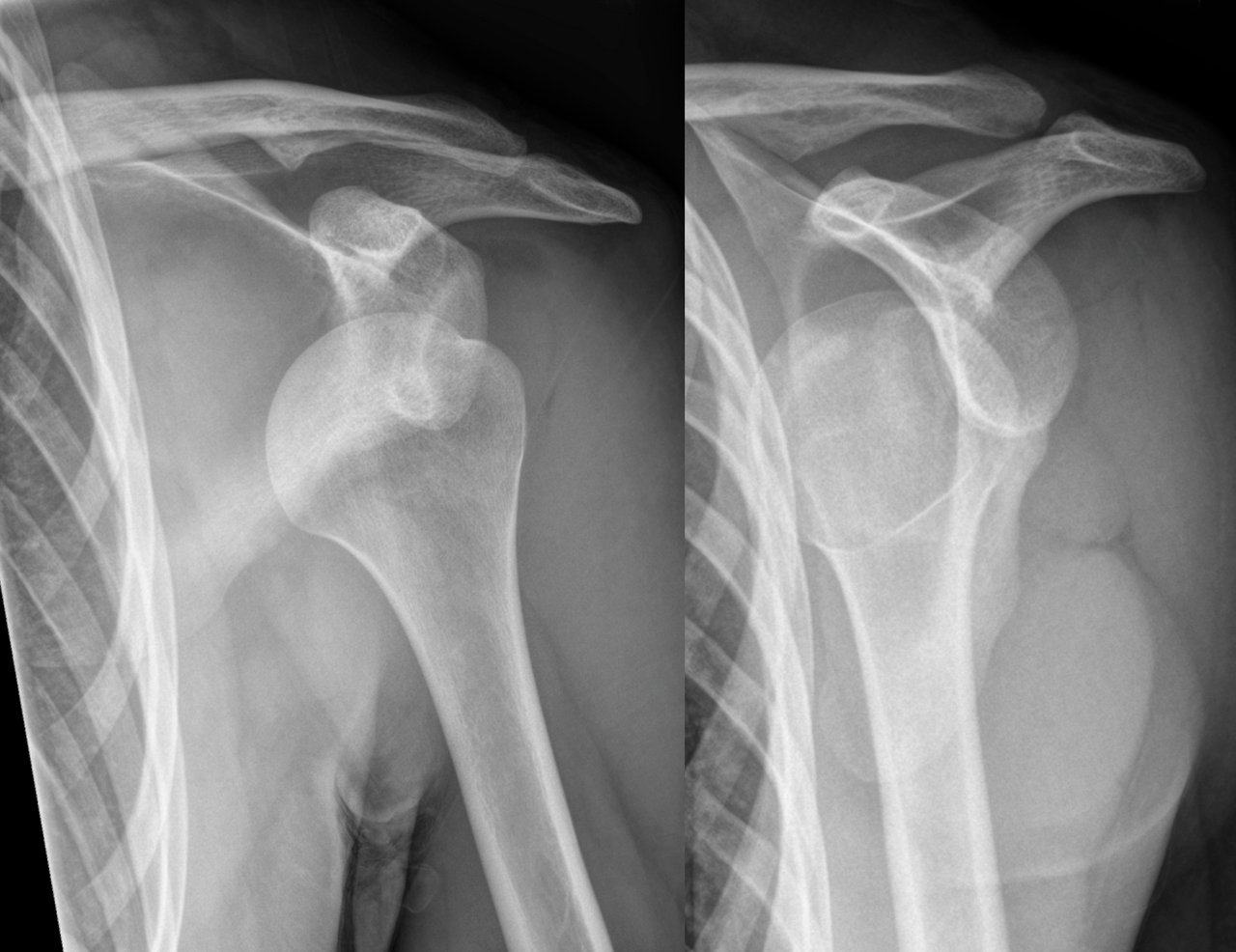
Shoulder dislocations are classified by the direction the joint moves.
Anterior Shoulder Dislocation
This is the most common type. The upper arm bone moves forward out of the socket and often occurs after a fall or sporting injury.
Posterior Shoulder Dislocation
This is less common and occurs when the upper arm bone moves backward. It may happen after trauma or other specific injury mechanisms.
Inferior Shoulder Dislocation
This is uncommon and occurs when the arm bone moves downward out of the socket.
First-Time or Recurrent Dislocation
A shoulder may dislocate once or may become unstable and dislocate again in some people.
Types and Common Causes of Fibula Fractures
Common Causes of a Dislocated Shoulder
Possible causes include:
- Falls onto an outstretched arm
- Contact sport injuries
- Sudden twisting or forceful movement
- Motor vehicle accidents
- Previous shoulder instability
- Higher-impact trauma
Symptoms of a Dislocated Shoulder
Symptoms may include:
-
Sudden shoulder pain
-
Visible deformity or altered shoulder shape
-
Inability to move the shoulder normally
-
Swelling
-
Muscle spasm
-
Weakness
-
Numbness or tingling in the arm or hand
Urgent medical assessment is recommended if a dislocation is suspected.
Book an appointment
Call us
1300 525 666
How Is a Dislocated Shoulder Diagnosed?

Assessment usually includes:
-
Review of symptoms and how the injury occurred
-
Physical examination
-
Imaging such as X-rays
-
In some cases, MRI or CT scan for further detail
The aim is to confirm the dislocation, assess alignment, and identify associated bone or soft tissue injury.
Treatment Options for a Dislocated Shoulder
Treatment depends on the type of dislocation, associated injury, and patient factors.
Reduction of the Dislocation
A clinician may reposition the shoulder joint back into place using appropriate techniques and pain management measures where required.
Non-Surgical Management
After reduction, treatment may include:
- Sling support for a period of time
- Pain management as advised by a clinician
- Activity modification
- Follow-up review
- Rehabilitation exercises
Surgical Management
Some patients may be considered for surgery, particularly where there is recurrent instability, significant structural injury, or specific activity demands.
A treating specialist can discuss appropriate options based on the individual situation.
Management is determined individually based on fracture stability and alignment.
Recovery and Healing Time
Recovery varies depending on the severity of the injury, associated soft tissue or bone damage, previous dislocations, and whether surgery was required.
- First 1 to 2 weeks: pain settles, sling support may be used, gentle movement may begin if advised
- 2 to 6 weeks: gradual improvement in comfort and movement
- 6 to 12 weeks: increasing strength and return to many daily activities
- 3 to 6 months: return to gym, sport, or higher-demand activity may be considered depending on progress
- After surgery: recovery may take several months depending on the procedure and rehabilitation plan
Your clinician can provide personalised guidance based on healing progress and goals.
Physiotherapy and Rehabilitation

Rehabilitation may assist with restoring movement, strength and control. A program may include:
-
Gradual range of motion exercises
-
Rotator cuff strengthening
-
Shoulder blade control exercises
-
Stability and coordination work
-
Return-to-sport or return-to-work planning
Exercises should be progressed according to healing stage and clinical advice.
Return to Work, Sport and Daily Activities
Return to activity depends on comfort, movement, strength, stability and injury severity.
Desk-based duties may resume earlier than manual tasks. Return to contact or overhead sport is usually gradual and based on medical review.
Seek personalised clearance before returning to higher-risk activity.
When to Seek Medical Attention
Arrange prompt assessment if you have:
-
A suspected shoulder dislocation
-
Significant pain after injury
-
Visible deformity
-
Inability to lift or move the arm
-
Recurrent shoulder slipping or instability
-
Numbness, tingling or weakness
FAQ
Is a dislocated shoulder common?
Yes, the shoulder is one of the more commonly dislocated joints due to its wide range of movement.
How long does recovery take?
Recovery time varies depending on the severity of injury, whether it is a first-time dislocation, and rehabilitation progress.
Can I drive after a dislocated shoulder?
Driving may be limited while using a sling, while taking certain pain medication, or while shoulder control is reduced. Discuss this with your clinician.
Is physiotherapy useful after shoulder dislocation?
Many people benefit from guided rehabilitation to improve movement, strength and shoulder control.
Can a dislocated shoulder go back in by itself?
Some shoulders may partially reduce, but professional medical assessment is recommended to confirm alignment and check for associated injury.
Will I need surgery?
Not everyone requires surgery. Some people are managed non-surgically, while others may be assessed for surgery based on instability or structural damage.
Can a shoulder dislocate again?
Some people may experience recurrent instability or repeat dislocations, particularly after an earlier injury.