
Peroneal Tendonitis
Peroneal tendonitis refers to irritation of the tendons that run along the outside of the ankle. These tendons help support ankle stability and assist with walking, running and changing direction.
Many people search for this condition as outer ankle pain, pain on the outside of the ankle, or side ankle tendon pain before receiving a diagnosis. Some people are told they have a recurring ankle sprain — if that doesn’t seem to be improving, a peroneal tendon injury may be the reason.
Prompt assessment can help identify the cause of symptoms and guide appropriate management.
What Are the Peroneal Tendons?
The peroneal tendons run behind the outer ankle bone and attach to the foot. They help with:
- Ankle stability
- Turning the foot outward
- Balance during walking and running
- Support on uneven ground
Because they are active during many daily movements, they can become irritated or overloaded — often gradually, without a single clear injury event.

Types of Peroneal Tendon Problems
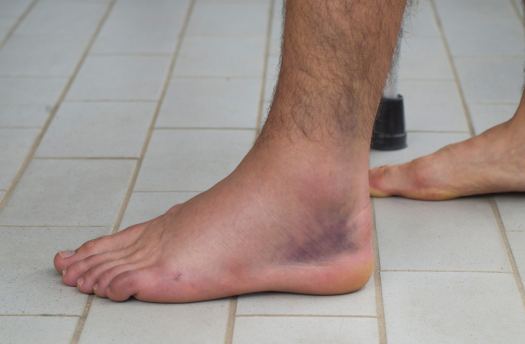
Peroneal tendon symptoms may involve different conditions.
Tendon Irritation / Tendonitis Pain and sensitivity from overload or irritation of the tendon, often in the earlier stages.
Tendinopathy Longer-term tendon changes that develop over time, often with repeated overload or inadequate recovery.
Tendon Tear A partial or complete tear may occur after trauma or ongoing overload. Tears are not always immediately obvious and can be missed on initial assessment.
Tendon Subluxation or Instability The tendon may move out of its normal groove near the outer ankle, sometimes causing a clicking or snapping sensation.
Common Causes of Outer Ankle Tendon Pain
Possible causes include:
- Ankle sprain or previous ankle injury
- Running or a sudden increase in activity
- Sports involving cutting, pivoting or direction changes
- Training on uneven surfaces
- Poor footwear support
- Repetitive overuse over time
- High foot arches or other foot mechanics factors
Symptoms of Peroneal Tendonitis
Symptoms may include:
- Pain on the outside of the ankle
- Tenderness behind the outer ankle bone
- Swelling around the ankle
- Pain when walking, running or standing for long periods
- Pain when turning the foot outward
- Weakness or a feeling of instability
- Clicking or snapping sensation in some cases
- Symptoms that worsen after sport or prolonged activity
Symptoms can range from mild discomfort to significant pain that limits daily activity. If left unaddressed, tendon irritation can progress — in some cases to a tendon tear or chronic instability — which is why early assessment is worthwhile.
Book an appointment
Call us
1300 525 666
A Note on Misdiagnosis
Outer ankle pain is frequently mistaken for a simple ankle sprain. Research suggests a significant proportion of peroneal tendon injuries are initially misdiagnosed, which can delay appropriate treatment.
If you have been told you have an ankle sprain but your symptoms are not improving as expected, or if you experience recurring ankle instability, it is worth seeking a specific assessment for peroneal tendon involvement.
How Is It Diagnosed?

Assessment usually includes:
- Review of symptoms, activity history and mechanism of injury
- Physical examination of the ankle and surrounding structures
- Assessment of ankle movement, strength and stability
- Imaging such as ultrasound or MRI where clinically indicated
- X-ray if a fracture or bone injury is also suspected
The aim is to identify the specific source of pain and rule out other conditions before guiding management.
Which Clinician Should I See?
Peroneal tendon injuries can be assessed and managed by several types of clinicians depending on the nature and severity of symptoms:
- Orthopaedic surgeon or foot and ankle specialist — appropriate for complex cases, suspected tendon tears, instability or where surgical review may be needed. Fracture clinics staffed by orthopaedic teams can also assess peroneal tendon injuries, particularly when a fracture needs to be ruled out first.
- Sports medicine doctor — well suited to activity-related and overuse presentations, particularly in athletes or active individuals
- Podiatrist — can assess foot mechanics, footwear and biomechanical contributing factors
- Physiotherapist — plays a key role in rehabilitation and structured return to activity, often working alongside other treating clinicians
If you are unsure where to start, a GP referral can help direct you to the most appropriate clinician for your situation.
Treatment Options
Treatment depends on the cause, severity and duration of symptoms. A clinician will discuss the most appropriate options based on individual assessment findings.
Non-Surgical Management
Many presentations can be managed without surgery. Options may include:
- Activity modification to reduce tendon load
- Footwear advice and support
- Temporary bracing where appropriate
- Pain management as directed by a clinician
- Physiotherapy, strengthening and rehabilitation
- Gradual, structured return to activity
Surgical Management
Some people with tendon tears, tendon instability, or symptoms that have not responded to conservative management may be referred for specialist surgical review. A treating clinician can explain whether this is relevant and what it may involve.
Recovery and Rehabilitation
Recovery varies between individuals and depends on factors such as the type of tendon problem, how long symptoms have been present, overall health, and how well load is managed during rehabilitation. Timeframes cannot be guaranteed, and a treating clinician is best placed to provide guidance based on your specific situation.
General considerations include:
- Mild presentations may begin to settle with load reduction and appropriate management
- Rehabilitation typically involves progressive strengthening and a structured return to activity
- Longer-standing symptoms, tendon tears, or post-surgical recovery generally require more time and guided rehabilitation
- Returning too quickly or without addressing contributing factors can increase the risk of recurrence
Physiotherapy and Rehabilitation
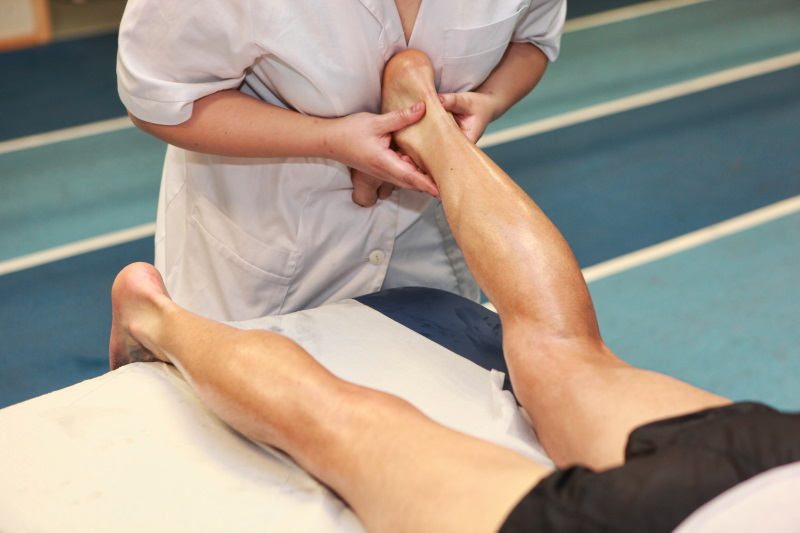
A structured rehabilitation program can assist with restoring strength, control and confidence in the ankle. A program may include:
- Calf and ankle strengthening
- Balance and proprioception (stability awareness) exercises
- Foot and lower limb control work
- Progressive loading tailored to symptoms
- Running or sport-specific progression
- Return-to-work planning where relevant
Exercises should be guided and progressed based on symptoms and stage of recovery.
Return to Work, Sport and Daily Activities
Return to activity is guided by pain levels, strength, balance and function — not by a fixed timeline. Desk-based or sedentary roles may be resumed earlier than physically demanding work. Return to sport is typically gradual and based on clinical progress and individual goals.
When to Seek Assessment
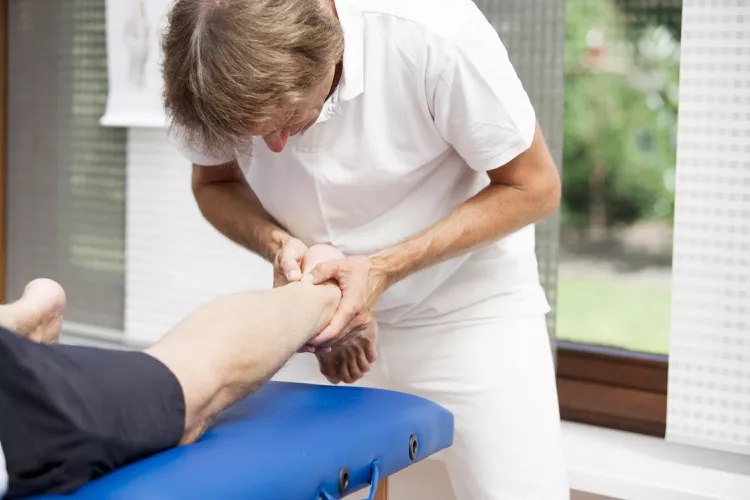
Arrange an assessment if you have:
- Ongoing pain on the outside of the ankle
- Swelling around the ankle that is not improving
- An ankle sprain diagnosis that does not seem to be getting better
- Recurring ankle giving way or instability
- Clicking or snapping on the outside of the ankle
- Difficulty walking, running or returning to sport
- Symptoms that keep coming back with activity
FAQ
Is peroneal tendonitis common?
Yes. It is a recognised cause of outer ankle pain, particularly following ankle sprains, increases in running load, or participation in sports involving cutting and turning movements.
Can peroneal tendonitis be mistaken for an ankle sprain?
Yes, and this is common. The symptoms overlap significantly, and a peroneal tendon injury can be missed on initial assessment. If an ankle sprain is not improving as expected, it is worth asking about tendon involvement.
Can I still walk with peroneal tendonitis?
Many people can continue walking, though symptoms may worsen with longer distances, uneven terrain or activity. A clinician can advise on what level of activity is appropriate during recovery.
Is physiotherapy helpful?
Rehabilitation is an important part of recovery for most presentations. Physiotherapy can assist with strengthening, stability and a safe return to activity.
Can peroneal tendonitis come back?
Symptoms can recur if activity is increased too quickly, contributing factors are not addressed, or rehabilitation is incomplete. A structured program and clinician guidance can help reduce this risk.
Is this the same as a rolled ankle?
Not exactly. A rolled ankle typically refers to a ligament sprain. Peroneal tendonitis involves the tendons rather than the ligaments, though both can occur together. The two conditions can feel similar, which is why they are often confused.
Is outer ankle pain always peroneal tendonitis?
No. Outer ankle pain can relate to ligament sprains, fractures, joint irritation, nerve-related symptoms, or other tendon conditions. Accurate diagnosis is important before starting treatment.
Do I need a scan?
Not everyone requires imaging. A clinician will advise whether ultrasound, MRI or X-ray is appropriate based on your symptoms and examination findings.
Should I go to a fracture clinic, podiatrist or sports doctor?
It depends on your situation. A fracture clinic (staffed by orthopaedic clinicians) is appropriate if a fracture needs to be ruled out or if the injury is more complex. A podiatrist is useful if foot mechanics or footwear are contributing factors. A sports medicine doctor suits activity-related presentations. If unsure, start with your GP.
What happens if peroneal tendonitis is left untreated?
Ongoing tendon irritation that is not managed can progress to more significant tendon changes, a tendon tear, or chronic ankle instability. Early assessment helps identify the appropriate management pathway.
I just have outside ankle pain after running — do I really need to see someone?
If the pain settles quickly with rest and is not affecting your daily activity, you may be able to monitor it for a short period. However, if pain is persistent, recurring, or limiting your activity, a clinical assessment is worthwhile to rule out a more significant injury.
Can I treat outer ankle pain at home?
Reducing load and avoiding aggravating activity may help in the short term. However, home management without a diagnosis carries the risk of missing a more significant injury. Assessment is recommended if symptoms persist beyond a short period or are affecting your function