
Humerus Fractures
A humerus fracture is a break in the humerus, the long bone of the upper arm that runs from the shoulder to the elbow. These injuries can happen after a fall, sporting incident, workplace injury, or motor vehicle accident. Some fractures may also occur after lower-impact injuries in people with reduced bone strength.
Treatment depends on the location of the fracture, the position of the bone, the stability of the injury, and individual factors such as age, activity level, and general health.
What Is the Humerus?
The humerus is the main bone of the upper arm. It forms:
-
The shoulder joint at the top
-
The elbow joint at the bottom
-
Attachment points for muscles that help move the shoulder, arm and hand
Because it is involved in many daily movements, a fracture can affect comfort, strength and function.

Types of Humerus Fractures
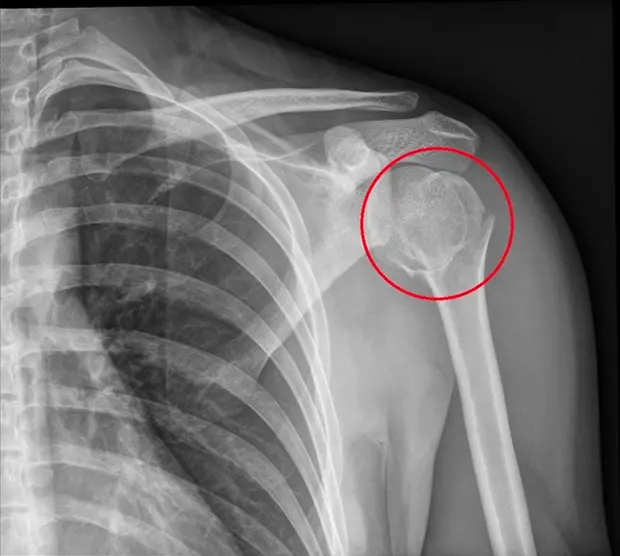
Humerus fractures are generally grouped by location:
Proximal Humerus Fracture (Near the Shoulder)
This occurs at the top of the bone near the shoulder joint. It is one of the more common humerus fractures, particularly after a fall.
Humeral Shaft Fracture (Middle of the Bone)
This occurs through the long middle section of the humerus and may result from higher-energy trauma or direct impact.
Distal Humerus Fracture (Near the Elbow)
This occurs near the elbow joint and may involve the joint surface.
Other Fracture Patterns
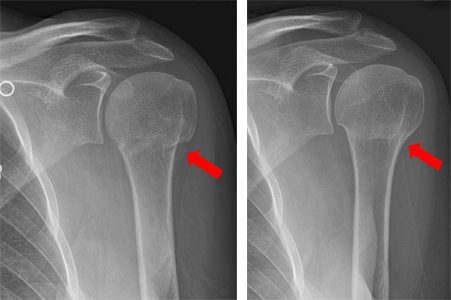
A fracture may also be described as:
-
Undisplaced – bone remains in alignment
-
Displaced – bone ends have moved
-
Comminuted – bone is in multiple pieces
-
Open fracture – skin is broken
-
Stable or unstable – depending on movement at the fracture site
Common Causes of a Humerus Fracture
Possible causes include:
-
Falls onto the arm or shoulder
-
Sporting injuries
-
Bicycle or motor vehicle accidents
-
Direct blows or trauma
-
Twisting injuries
-
Lower-impact falls where bone strength is reduced
Symptoms of a Humerus Fracture
Symptoms vary depending on the injury but may include:
-
Sudden pain in the upper arm, shoulder or elbow
-
Swelling
-
Bruising
-
Difficulty moving the arm
-
Deformity or abnormal position
-
Tenderness to touch
-
Clicking or grinding sensation
-
Weakness or reduced function
Urgent medical review is recommended if there is severe pain, numbness, open wounds, visible deformity, or inability to move the arm.
Book an appointment
Call us
1300 525 666
How Is a Humerus Fracture Diagnosed?

Assessment usually includes:
- Review of symptoms and how the injury occurred
- Physical examination
- Imaging such as X-rays
- In some cases, CT scan for further detail
The aim is to understand the fracture pattern and guide management options.
Treatment Options for Humerus Fractures
Treatment is individualised and depends on the type of fracture and patient needs.
Non-Surgical Management
Some fractures may be managed without surgery using:
-
Sling or brace support
-
Activity modification
-
Pain management as advised by a clinician
-
Follow-up imaging where appropriate
-
Guided rehabilitation
Surgical Management
Some fractures may require surgery depending on alignment, stability, joint involvement, or other clinical factors. Surgical options may include:
-
Plates and screws
-
Intramedullary nail fixation
-
Joint replacement in selected shoulder fractures
-
Other procedures based on the injury pattern
A treating specialist can explain suitable options, expected risks and benefits.
Recovery and Healing Time

Recovery time varies based on:
-
Fracture type and severity
-
Whether surgery was required
-
Age and bone health
-
Smoking status
-
General health
-
Participation in rehabilitation
Bone healing often takes several weeks, while recovery of movement and strength may take longer.
Your treating clinician will advise when to progress activities.
Physiotherapy and Rehabilitation

Rehabilitation may help restore movement, strength and function. A program may include:
- Gentle range of motion exercises
- Shoulder, elbow and wrist mobility work
- Gradual strengthening
- Posture and movement retraining
- Return-to-work or return-to-sport planning
Exercises should be guided by a qualified clinician and timed appropriately for the stage of healing.
Return to Work, Sport and Daily Activities
Timing depends on the fracture type, healing progress and activity demands.
Some people return to desk-based duties earlier than manual work. Sporting return is usually gradual and based on clinical review, movement, strength and comfort.
Always seek personalised clearance before returning to high-demand activity.
When to Seek Medical Attention
Arrange prompt assessment after an injury if you have:
- Ongoing arm pain after a fall or impact
- Swelling or bruising
- Limited movement
- Arm deformity
- Numbness or tingling
- Symptoms that are not improving
FAQ
How common are humerus fractures?
They are a common upper limb fracture seen after falls, sports injuries and trauma. Proximal humerus fractures near the shoulder are among the more frequently seen types.
How long does a humerus fracture take to heal?
Healing times vary. Bone healing often takes several weeks, with recovery of strength and motion sometimes taking longer.
Can I drive with a humerus fracture?
Driving may be limited while using a sling, while taking certain pain medication, or while arm control is reduced. Discuss this with your treating practitioner and insurer if relevant.
What happens if a fracture is left untreated?
Untreated fractures may heal in poor alignment or remain painful. Early assessment helps guide appropriate management.
Can a humerus fracture heal without surgery?
Some fractures may be suitable for non-surgical management, while others may require surgery. This depends on the fracture pattern and alignment.
Is physiotherapy necessary after a humerus fracture?
Many people benefit from rehabilitation to improve movement and function. The timing and type of therapy should be guided by your clinician.
When can I return to the gym?
Return to weights or upper body exercise should be gradual and based on healing progress and medical guidance.